
What Is A Transponder Key?
The small chip inside your key head is the reason a cut copy will not start the car. Here is what it does, how the vehicle checks it, and what happens when it fails.
- AVG Same Day Service
- DBS Checked
- 5★ Reviews
Not A National Company
A local business, not a call centre.
Real Local Professionals
Locals, not technicians sent by a middle-man company.
No Inflated Pricing
National companies often mark prices up 2–3x. We don't.
Deal Direct With The Technician
No wondering who or when. It's always us.
A key with a chip that the car has to recognise before it will start
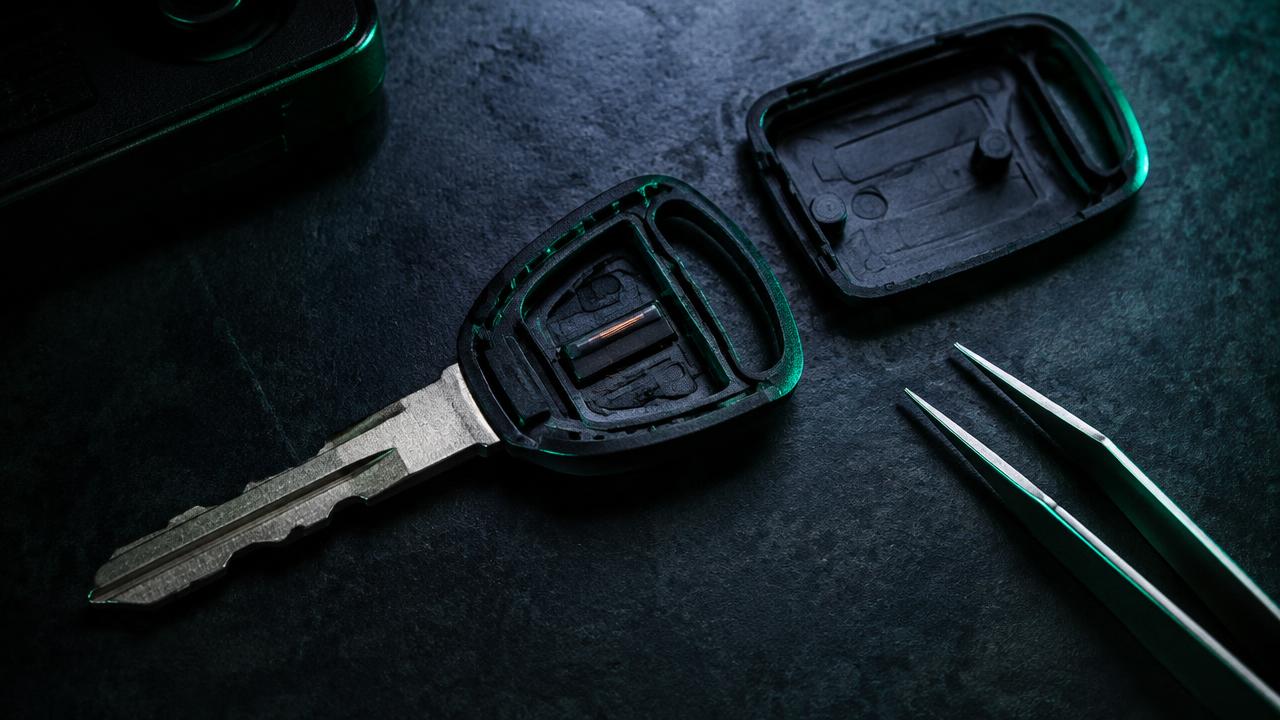
A transponder key carries a small chip in its head. When the key is presented, the vehicle sends out a signal, the chip answers with its identity, and the immobiliser decides whether to allow the engine to run. No matching answer, no start — regardless of whether the blade turns.
How The Handshake Actually Works
The chip has no battery. The car powers it for a fraction of a second and listens to what comes back.
Around the ignition lock — or, on keyless cars, in a defined area of the cabin — sits a coil. When you present the key, the coil produces a field that energises the chip. The chip responds with its identity, the vehicle compares that against the keys it knows, and the immobiliser either releases the engine or holds it.
Because the chip draws its power from the car, a transponder key still starts the vehicle when the fob battery is flat. The remote buttons stop working, but the start function does not depend on them — which is why holding the key against a marked spot on the steering column or in a slot in the console gets a keyless car running when its battery dies.
Where Transponder Keys Sit Among The Others
Most UK vehicles on the road use one of these four arrangements.
Plain mechanical key
Blade only, no chip. Found on older vehicles built before immobilisers became standard equipment. A copy cut at a shop will start these.
Transponder key
Blade plus a chip in the head. The chip must be registered to the car. This is the point at which key cutting alone stops being enough.
Remote transponder key
The same chip, plus a battery-powered remote for locking. Two separate systems in one key, and both have to be commissioned on a replacement.
Proximity smart key
Keyless entry and start. The car detects the key nearby and authenticates it without you presenting it. More convenience, more to go wrong, and more to set up on a new key.
Why A Cut Copy Turns The Lock But Nothing Happens
Because cutting and coding are separate, and a key-cutting machine cannot grant an identity the car will accept.
This catches people out regularly. A copy made from an existing key opens the doors and turns in the ignition, so it feels like a working key — right up until the engine refuses to run or starts and immediately cuts out.
The fix is programming, and it has to happen at the vehicle. A properly supplied replacement includes both parts: a blade that fits and a chip the car knows.
Signs The Chip Or Its Reader Is At Fault
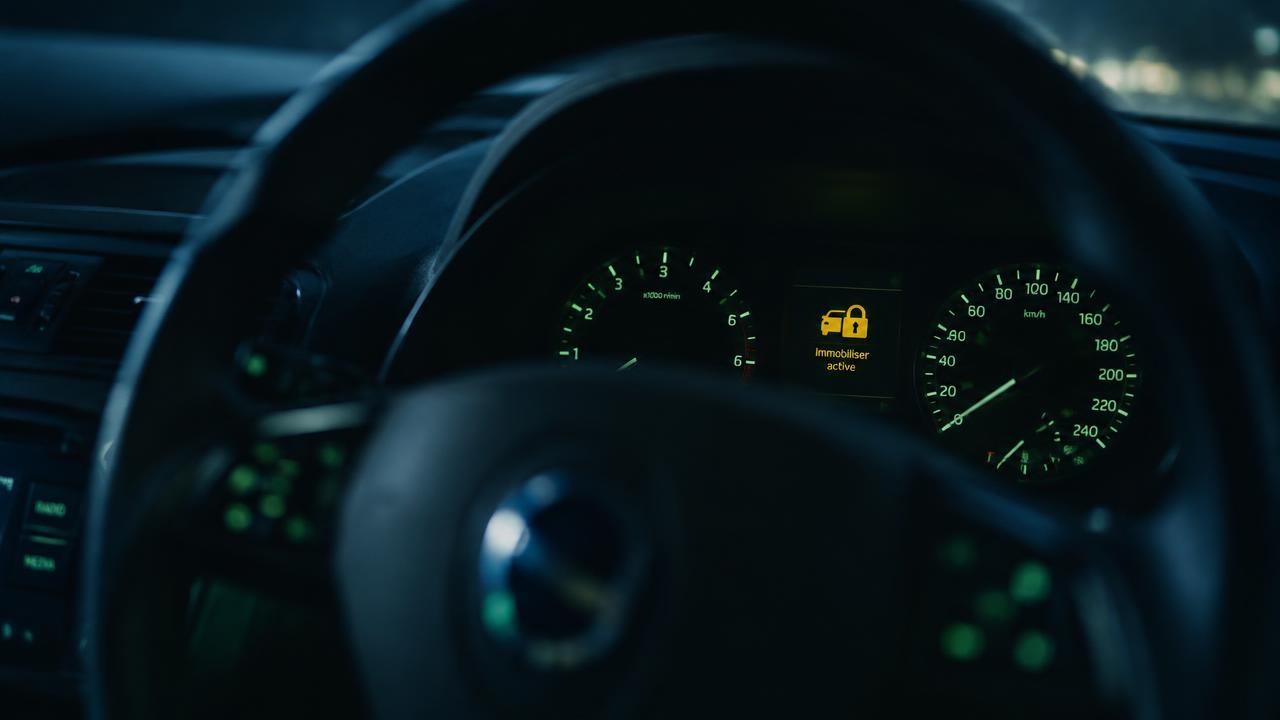
If the engine turns over but will not run, or starts and dies after a second, suspect the immobiliser handshake rather than the fuel or the starter.
A security or immobiliser light that stays lit, or flashes when it normally would not, is the clearest indicator. A key that works only when held in a particular position points at a weak chip or a failing reader coil.
A useful test costs nothing: if the spare key behaves perfectly and the usual key does not, the fault is in the key. If both keys behave the same way, the problem is more likely to be vehicle-side, and that changes what should be done next.
How A Transponder Fails
The chip has no battery and no moving parts, which is why failures are usually caused by something happening to it rather than by age.
Impact is the common one. A key dropped repeatedly onto a hard floor, or carried loose in a bag with tools and coins, can crack the chip or break the fine coil wound around it. The remote buttons keep working because they run from the battery, which is why owners often assume the key is fine right up to the moment the engine will not start.
Water is the other. A key through a wash cycle may dry out and appear normal, while corrosion quietly does its work on the electronics inside. Failures weeks after a soaking are common and rarely connected by the owner to the event that caused them.
Heat is rarer but real. A key left on a dashboard through a long hot spell, or too close to a hob or a radiator, can be damaged by temperature alone.
The test is simple. If the car cranks but will not run, and the immobiliser warning appears on the dash, the chip is the first suspect. If a second key starts the car without complaint, that confirms it.
Transponder Myths Worth Dropping
Four things we are told regularly on the phone that are not the case.
"Cutting a key is enough"
A blade cut at a shoe bar will open the door and turn the ignition. Without a programmed chip, the engine will not run.
"A new battery fixes it"
The chip is passive and draws no battery power. A flat battery affects the remote buttons, not the immobiliser handshake.
"Only dealers have the codes"
Legitimate trade access exists for the majority of vehicles. A small number are genuinely dealer-only, and those are the exception.
"Old cars do not have one"
Immobilisers became standard on new cars sold in the UK from the late 1990s. Most cars on the road today have one.
Transponder questions
Get a free quote in two quick steps
Send your details and we'll call you back with a price. For anything urgent, just call.
- Price explained before any work
- No upfront payment
- Deal direct with the technician
Key turning but not starting?
That is usually the chip, not the blade. Send your registration and we will tell you what your vehicle needs.
“Alec was fast and efficient. He repaired my faulty key and made a new one as well. Nice friendly guy, good price and great service. Would recommend.”