
How Does Car Key Programming Work?
What actually happens between a blank key and a car that starts: cutting, coding, immobiliser pairing and the remote functions most people forget are part of the job.
- AVG Same Day Service
- DBS Checked
- 5★ Reviews
Not A National Company
A local business, not a call centre.
Real Local Professionals
Locals, not technicians sent by a middle-man company.
No Inflated Pricing
National companies often mark prices up 2–3x. We don't.
Deal Direct With The Technician
No wondering who or when. It's always us.
Programming introduces a new key to the car's security system
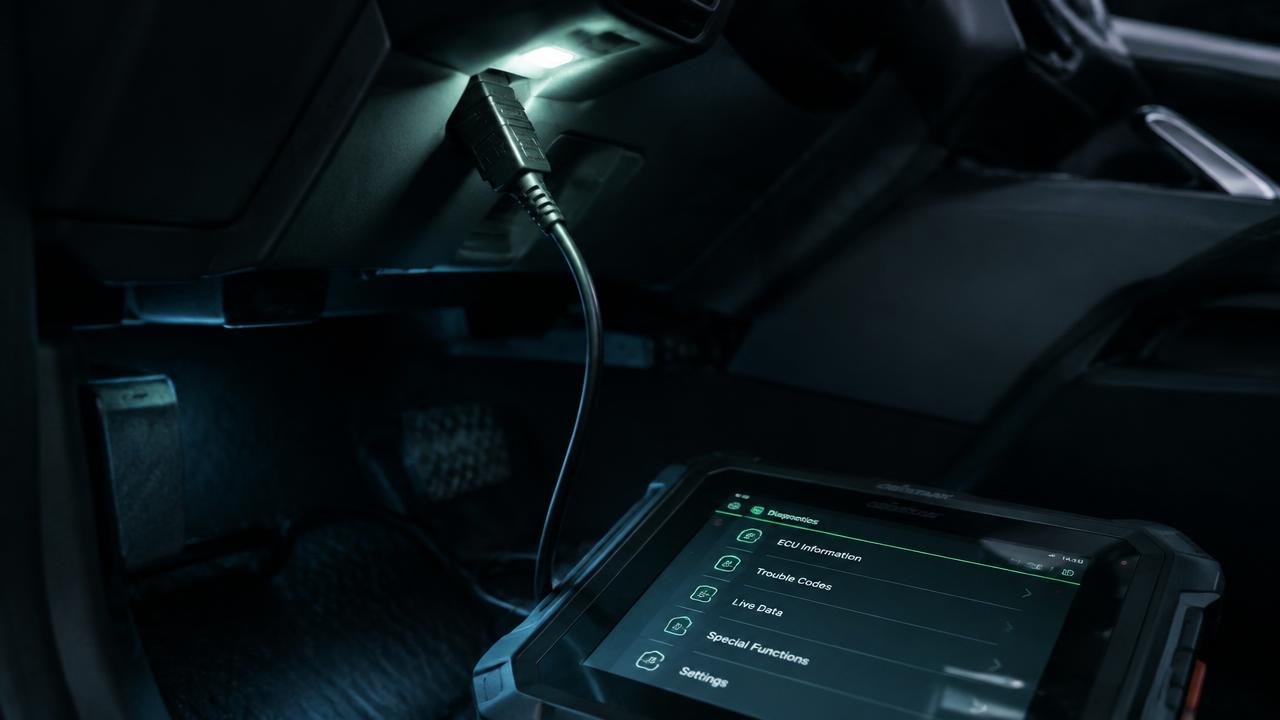
A replacement key needs two things: a blade that fits the locks, and an electronic identity the vehicle accepts. Programming is the second part. A diagnostic tool communicates with the vehicle's security system and registers the new key's transponder, then commissions the remote and keyless functions so the whole key works, not just the engine start.
Cutting And Coding Are Two Separate Jobs
A key that turns the lock but will not start the car is cut but not coded — and it is a common outcome of key cutting done without automotive equipment.
The mechanical side is straightforward: the blade has to match the lock, either copied from an existing key or cut to the vehicle's code. A high-street cutter can usually manage that part alone.
The electronic side is where vehicles differ enormously. Since immobilisers became standard equipment, the engine will not run unless the car recognises the chip in the key. That recognition has to be granted by the vehicle, at the vehicle, using equipment that can talk to its security system.
This is why a shop-cut copy of a modern key opens the doors but leaves you turning the ignition with nothing happening.
What Happens During A Programming Visit
Four stages, in this order, on nearly every job we attend.
Identify the exact key system
Registration, model year and build determine which key platform the car uses. Manufacturers change systems mid-run, so identification comes before anything is cut.
Produce the blade
Cut from an existing key, from the vehicle's key code, or by decoding a lock when nothing else is available. The blade has to be right before the electronics matter.
Register the transponder
The diagnostic tool puts the vehicle into a state where it will accept a new key identity, and the new transponder is written into the security system.
Commission the functions
Central locking, boot release, keyless entry and keyless start are then tested. A key is finished when everything the original did, the new one does.
Why Some Cars Take Minutes And Others Take Hours
The difference is how much proof of legitimate access the vehicle demands before it will accept a new key.
Where a working key already exists, most systems accept an additional key quickly — the existing key is the proof. With no key present, the vehicle has to be satisfied another way, and manufacturers deliberately make that slower.
Some vehicles impose a security wait before a new key can be added when none is present. That delay is designed in, and no equipment shortens it. Others require the work to be done at a specific module rather than through the diagnostic port, which means more access work and more care.
Where a system is genuinely closed to the independent trade, the honest answer is that the job belongs at the dealer, and we will say so on the phone.
What The Diagnostic Tool Is Actually Doing
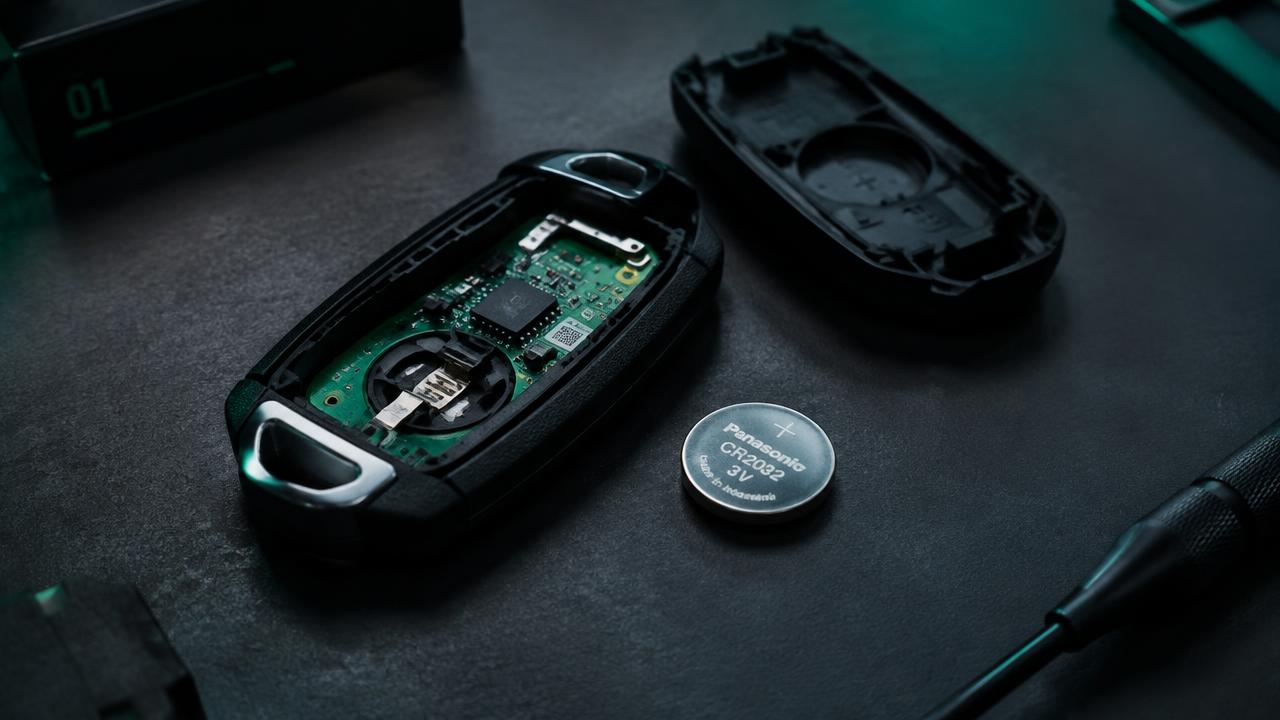
It is not "hacking" the car. It is using the manufacturer's own security routines through the vehicle's diagnostic interface.
Vehicles hold key identities in a security module. On many cars that module is reachable through the diagnostic port, and the programming routine is part of the vehicle's designed servicing capability. The tool authenticates, requests the key-learning routine, and writes the new key's identity.
On some vehicles the data sits somewhere less convenient and has to be read directly from the module. That is a more involved job requiring access to the unit itself, and it is priced accordingly.
Whichever route applies, the vehicle keeps a record of the keys it accepts — which is also why a lost key can usually be removed from the system so it will no longer start the car.
What Can Stop A Programming Job
Most keys go on without drama. When one does not, the reason is usually one of a small handful of things.
A flat or failing battery is the most common. Programming draws on the vehicle's electrical system while modules are woken up and written to, and a battery that is already marginal can drop voltage mid-procedure. On a car that has sat for weeks, a support supply goes on before anything else starts.
Security timers are the next. Some manufacturers require the vehicle to sit in a learning state for a set period before it will accept a new key. Nothing is wrong; the car is simply making the process slow enough to discourage anyone working quickly and without permission.
Then there is the diagnostic port itself. Aftermarket trackers, dash cameras and previous poor wiring are all spliced into the same area on a surprising number of cars, and a port that has been interfered with can stop communication entirely. It is visible on inspection and fixable, but it changes the job.
Finally, a small number of vehicles restrict key programming to franchised dealers. Where that applies to yours, we will say so rather than attend and charge for a diagnosis you could have had on the phone.
What We Need From You On The Day
Programming goes faster when these are ready before the van arrives.
Proof the car is yours
The V5C or equivalent documentation, plus photo identification in the same name. No reputable locksmith will key a vehicle without it.
Every key you hold
Including ones you think are dead. They tell us what the vehicle already recognises and sometimes shorten the procedure considerably.
Access to the vehicle
Room to work at the driver's door and the dashboard, ideally somewhere the car can stay for the duration rather than a loading bay on a timer.
Honesty about history
Previous key work, an insurance claim, a replacement lock or a period off the road all change our approach. None of it is a problem if we know.
Programming questions
Get a free quote in two quick steps
Send your details and we'll call you back with a price. For anything urgent, just call.
- Price explained before any work
- No upfront payment
- Deal direct with the technician
Need a key programmed to your car?
Send the registration and we will confirm what your vehicle's system needs and quote the work before we set off.
“Did the work at a 3rd of the price of the dealership and I'm sure to a higher quality, the work was quick and professional.”